
Table of Contents

The Ultimate Guide to Aluminium Casting Foundries
Modern manufacturing relies on aluminium casting foundries to produce complex metal components economically and at scale. These specialised facilities use sand, die and investment moulding to shape molten aluminium into robust, precise parts for aerospace, automotive, consumer electronics and construction industries.
At Audhe Industries, we work with a wide range of aluminium alloys with different thermal conductivity, corrosion resistance and strength profiles — tailoring our moulding solutions to client needs and industry standards. Our trained engineers and technicians follow strict quality control throughout moulding, from design consultation to final inspection.
1Understanding Aluminium Casting
Aluminium casting is a versatile, widely used manufacturing process that involves pouring molten aluminium into moulds to produce intricate shapes and components. Many industries prefer this method for its ability to create cost-effective, durable and lightweight parts.
The process begins in the foundry, where furnaces melt aluminium ingots at over 660°C (1220°F). Based on the desired outcome and production volume, technicians carefully prepare sand, metal or other moulds before pouring.
Best for Large Parts
The optimal choice for low-volume production and large components, using low-cost, reusable sand moulds.
Small–Medium Parts, Fast
An ideal method for the high-volume fabrication of small to medium-sized parts using reusable metal dies.
Intricate Designs
Appropriate for high-precision components and intricate designs where fine detail and tight tolerances matter.
Efficiency + Quality
Provides a balance between production efficiency and part quality using durable, reusable metal moulds.
Aluminium casting serves aerospace, automotive, construction and consumer product industries, thanks to aluminium's exceptional thermal conductivity, corrosion resistance and strength-to-weight ratio.
2The Role of an Aluminium Casting Foundry in Modern Manufacturing
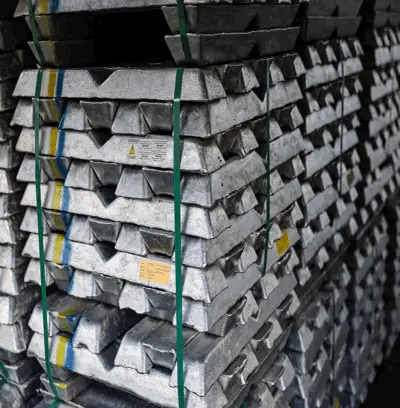
An aluminium casting foundry is a cornerstone for numerous industries in contemporary manufacturing. These facilities turn molten aluminium into precise parts for automotive, aerospace, construction and consumer products.
The process starts with developing precise moulds tailored to client requirements. After pouring molten aluminium into these moulds, trained technicians let it harden. Casting can handle sophisticated patterns and produce large volumes cost-effectively.
Aluminium casting foundries use investment, die and sand moulding to meet different production needs — manufacturers select the most appropriate method for their particular requirements, since each technique offers distinct advantages.
Increasingly, foundries use CAD and simulation tools to improve moulding, resulting in enhanced product consistency, reduced waste and improved quality control — making aluminium casting foundries essential to producing the lightweight, sturdy, corrosion-resistant components modern manufacturing demands.
3Fundamental Processes in Aluminium Casting
Aluminium casting requires completion of several critical stages to produce high-quality components.
Pattern Creation
A replica of the final product is created using wood, plastic or metal. This pattern is essential for forming the mould cavity.
Mould Preparation
A negative impression of the pattern is formed in sand or another refractory material — die or sand moulding depends on the object's complexity and production volume.
Melting
Furnaces elevate aluminium ingots to their liquid state, ready to be poured into the prepared mould.
Pouring & Solidification
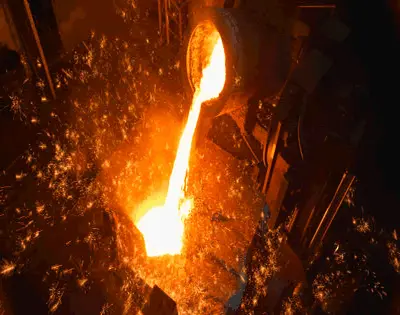
Molten metal is carefully poured into the mould, then settles and solidifies under precise temperature control to ensure optimal material properties.
Finishing
The solidified casting is removed from the mould, cleaned and finished — removing excess material, smoothing surfaces, and heat-treating to improve mechanical properties.
Inspection & Testing
Inspections, including methods like X-ray analysis, confirm the finished product meets specifications and identify any internal defects.
4Advantages of Choosing Aluminium for Casting Projects
Aluminium casting is a preferred option across industries thanks to its multiple benefits.
Improved Fuel Efficiency
Aluminium's exceptional strength-to-weight ratio enhances fuel efficiency in aerospace and automotive applications while guaranteeing durability and dependability.
Self-Protecting Oxide Layer
When exposed to air, aluminium forms a protective oxide layer that extends durability and reduces maintenance costs over the part's lifetime.
Efficient Heat Dissipation
High thermal conductivity makes aluminium ideal for electronics and engine components that need effective heat dissipation.
Sustainable by Design
Aluminium's recyclability supports sustainable manufacturing practices, mitigating environmental impact without compromising performance.
Aluminium is also highly malleable and ductile, enabling precise moulding of intricate designs — giving engineers a wide range of design possibilities across automotive, aerospace, consumer products and construction sectors.
5Common Applications of Aluminium Castings Across Industries
The versatility, lightweight properties and exceptional corrosion resistance of aluminium castings make them essential across a wide range of industries.
Automotive Industry
Engine blocks, cylinder heads, gearbox cases and wheel casings improve fuel efficiency and reduce vehicle weight.
Aerospace Sector
Engine mounts, wing spars and fuselage structures rely on aluminium castings for their strength-to-weight ratio.
Electronics
Heat sinks, laptop enclosures and smartphone frames benefit from aluminium's thermal management and finish.
Construction
Door knobs, window frames and decorative architectural features benefit from aluminium's durability and appearance.
Marine Industry
Boat propellers, engine parts and structural components rely on aluminium's resistance to maritime corrosion.
Industrial Machinery
Pump housings, valves and pneumatic tool enclosures benefit from aluminium's lightweight strength.
Consumer Goods
Kitchen appliances, power tools and sporting equipment use aluminium castings for affordability and durability.
Energy Sector
Solar panel frames, wind turbine components and oil and gas equipment rely on aluminium's durability in harsh environments.
6Selecting the Right Aluminium Casting Foundry for Your Project
Experience & Expertise
Select a foundry with a demonstrated history of success in aluminium casting, ensuring they can address your unique project specifications.
Casting Capabilities
Evaluate the foundry's range of casting methods — investment, die, sand or permanent mould — to confirm they can meet your project's requirements.
Quality Control Measures
Seek foundries with rigorous quality assurance procedures and relevant industry certifications to ensure consistently high-quality output.
Technology & Equipment
Choose a foundry with well-maintained, modern equipment to guarantee precision and efficiency throughout the casting process.
Capacity & Lead Times
Ensure the foundry can accommodate your production volume and meet your project deadlines reliably.
Material Expertise
Choose a foundry experienced with a variety of aluminium alloys to help determine the most suitable material for your project.
Design Support
Look for foundries offering engineering consultation or design assistance to optimise your part for the casting process.
Customer Service
Select a foundry committed to collaboration and responsive communication throughout the project's lifecycle.
7Innovations and Future Trends in Aluminium Casting Technology
Demand for lighter, stronger and more complex components across industries is driving the ongoing evolution of aluminium casting technology.
- Advanced simulation software: Allows foundries to optimise moulding operations before manufacturing — predicting flaws, reducing material waste, and improving moulding quality and efficiency.
- 3D printing integration: Additive manufacturing can build intricate sand moulds and cores with complex shapes that were previously unachievable or too expensive.
- Sustainable moulding techniques: Semi-solid moulding and low-pressure die moulding enhance mechanical properties while decreasing energy consumption.
- Industry 4.0: Automation, data analytics and intelligent sensors boost productivity, quality and process control, helping foundries fulfil market demands and stay competitive.
Looking ahead, aluminium casting foundries are set for sustained expansion — researching new alloys, improving recycling methods, and developing more environmentally friendly procedures to keep aluminium moulding relevant for years to come.
Conclusion
The aluminium casting foundry remains a critical component of contemporary manufacturing. Audhe Industries is a leader in the space, offering innovative solutions and high-quality products for a wide range of industrial needs. With decades of experience and cutting-edge facilities, we produce high-quality mouldings to precise specifications.
Looking to the future, the aerospace, automotive and renewable energy sectors are driving continued growth in aluminium casting. By investing in R&D to improve our processes and expand our capabilities, Audhe Industries stays ahead of these developments while maintaining a strong commitment to environmental responsibility and sustainability.
Whether you need complex aerospace components or lightweight automotive parts, Audhe Industries is your aluminium moulding partner. We encourage you to see how our expertise, technology and quality standards can benefit your next project.
?Frequently Asked Questions
What does an aluminium casting foundry do?
Which aluminium casting process is best for my project?
Why is aluminium a popular material for casting?
How do I choose the right aluminium casting foundry?
What temperature does aluminium need to be cast at?
What post-casting services should a foundry offer?
Related Articles


