1. What are machined components?
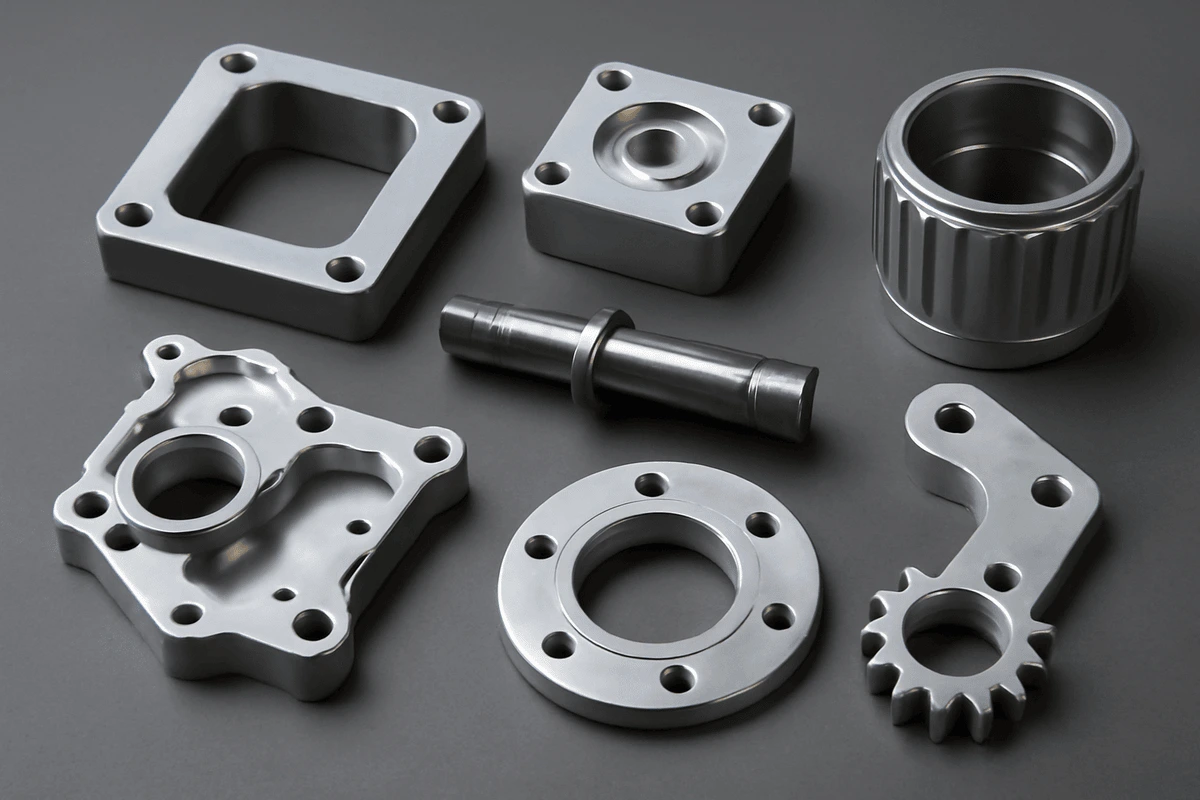
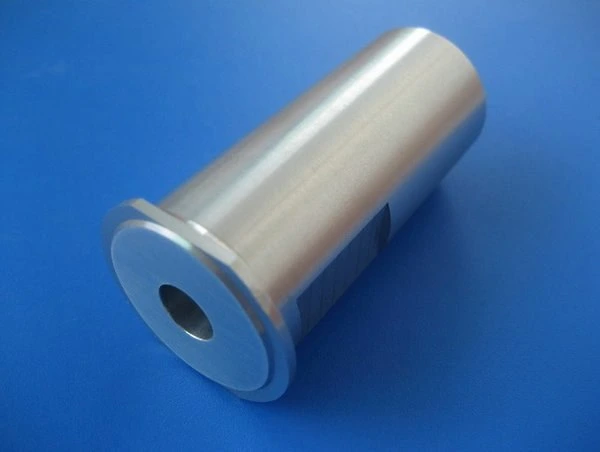
Machined components are precision parts made by removing material from a raw workpiece using tools like lathes, milling machines, drills, or CNC machines. They are used in automotive, aerospace, and machinery industries, offering high accuracy, tight tolerances, and smooth surface finishes.
2. What items are CNC machined?
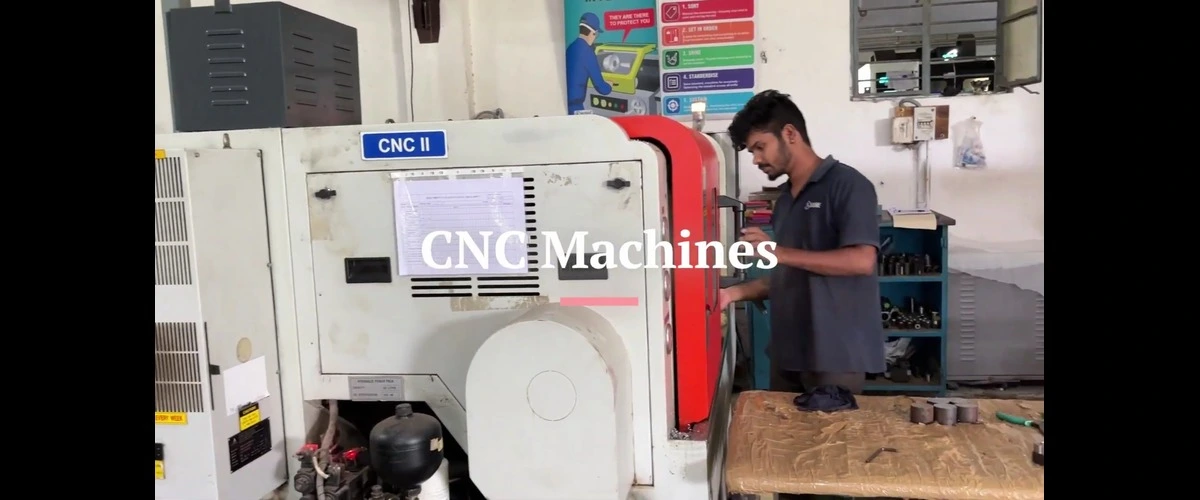
CNC machines can produce a wide variety of parts and items, including:
| Item |
Description |
| Engine Parts |
Precision components for cars, motorcycles, and aerospace engines |
| Industrial Tools |
Custom tools, dies, and molds used in manufacturing processes |
| Electronic Housings |
Casings for electronics, medical devices, and instruments |
| Aerospace Components |
Structural and functional parts for airplanes and spacecraft |
| Medical Implants |
Surgical implants, prosthetics, and dental components |
| Robotics Parts |
Gears, brackets, and joints for automation and robotic systems |
| Machine Fixtures |
Custom fixtures, jigs, and supports for manufacturing setups |
3. How does the precision of CNC machined components affect product performance?
The precision of CNC machined components directly impacts product performance by ensuring tight tolerances, accurate dimensions, and smooth surface finishes. High-precision parts reduce mechanical wear, improve efficiency, enhance reliability, and ensure consistent assembly in industries like aerospace, automotive, robotics, and medical devices.
4. What factors influence the lead time for CNC machined components?
The lead time for CNC machined components depends on material availability, part complexity, design tolerances, machine setup time, batch size, and finishing requirements. Efficient workflow, tool availability, and production scheduling also affect delivery speed in industries like automotive, aerospace, and medical devices.
5. Can CNC machined components be customized for low-volume production?
Yes, CNC machined components can be customized for low-volume production. Advanced CNC machines allow precise modifications, rapid prototyping, and small batch manufacturing, making them ideal for custom parts in industries like aerospace, medical devices, automotive, and robotics without compromising quality or tolerances.
6. How do tolerances and finishes differ for CNC machined components?
In CNC machined components, tolerances refer to the allowable dimensional variation, determining how precisely parts fit together. Finishes describe the surface quality, smoothness, or texture of a component. Tight tolerances and fine finishes improve performance, reliability, and assembly accuracy in industries like aerospace, automotive, and medical devices.
7. What role do CNC machined components play in reducing manufacturing waste?
CNC machined components help reduce manufacturing waste by enabling precise material removal, minimizing errors, and optimizing cutting paths. High accuracy and repeatability reduce scrap and rework, improve resource efficiency, and support sustainable production in industries like aerospace, automotive, medical devices, and electronics.